
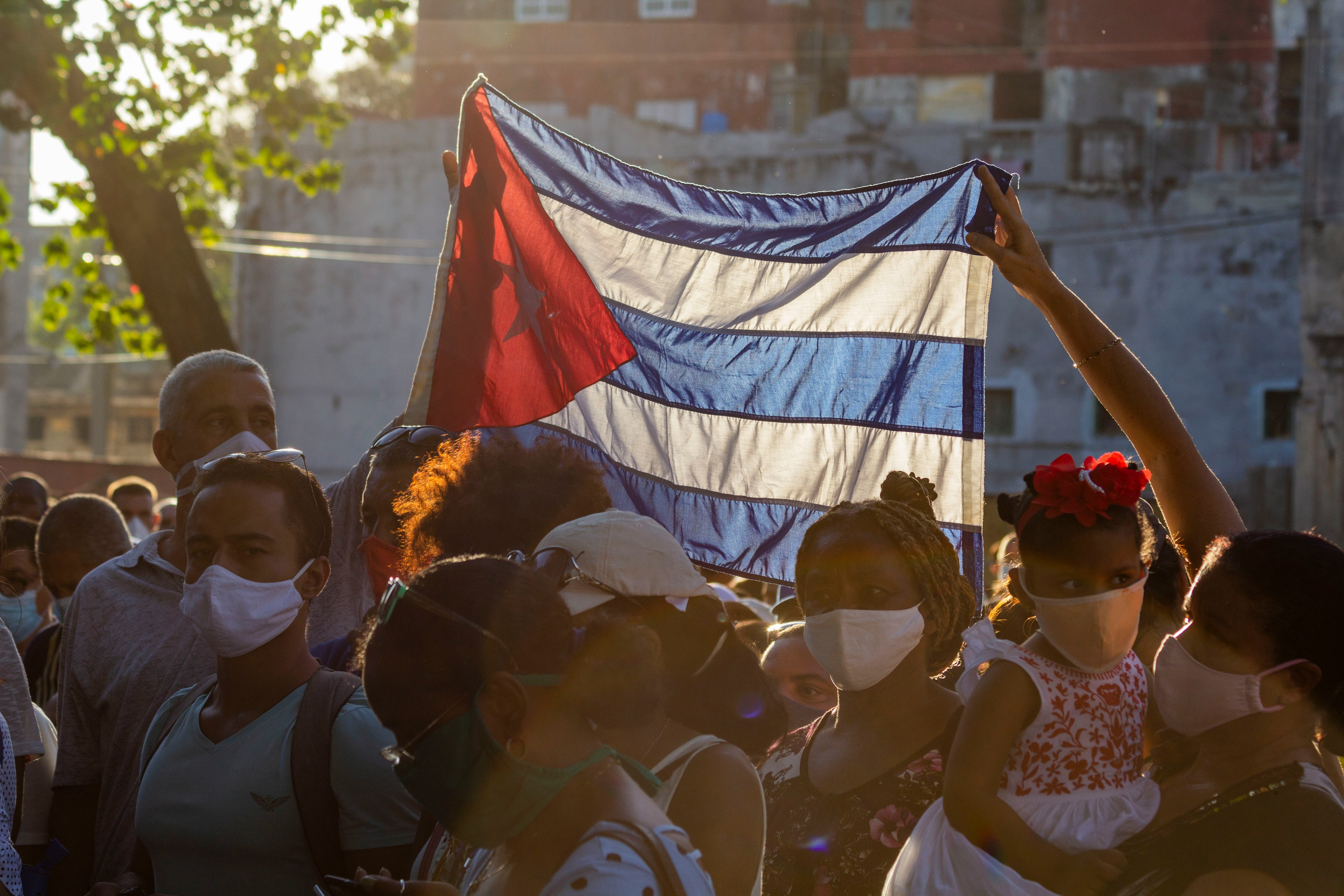
Cuba’s Economy on an Empty Tank
By: Gloria Alexandrova
By: Gloria Alexandrova
By: Gloria Alexandrova
Cuba’s Economy on an Empty Tank
3.5 min read
3.5 min read
3.5 min read
Tensions between the United States and Cuba have escalated following President Donald Trump’s declaration of a national emergency and the introduction of tariffs targeting countries that supply oil to the island. In the wake of US operations in Venezuela that cut off a key fuel source, Washington is now pressuring Cuba’s remaining partners, deepening an energy crisis with serious economic and political implications.
On January 30, President Trump signed an executive order designating Cuba as an “unusual and extraordinary threat” to US national security and foreign policy. The order establishes a mechanism enabling the United States to impose additional tariffs on imports from any country that directly or indirectly supplies oil to Cuba, marking a significant escalation in Washington’s pressure campaign.
The executive order accuses the Cuban government of aligning with hostile foreign powers and transnational groups, including Russia, China, Iran, Hamas, and Hezbollah. It also cites Cuba’s intelligence cooperation with Russia and China, along with allegations of human rights abuses, including repression of political opponents and restrictions on freedom of expression. According to the White House, these measures are intended to protect US national security while holding the Cuban government accountable.
These developments follow a major regional shift after a US military operation in Caracas earlier this month resulted in the capture of Venezuelan President Nicolás Maduro. The operation effectively severed Cuba’s primary oil supply, as Venezuela had previously provided more than one-third of the island’s fuel needs. For decades, Venezuelan oil shipments have been critical to sustaining Cuba’s economy, particularly following the collapse of the Soviet Union.
With Venezuelan oil no longer arriving, shortages across Cuba have intensified. Prolonged blackouts, long fuel lines, and disruptions to transportation and broadcasting services have become increasingly common, reflecting the severity of the energy crisis. Analysts cited in the sources warn that without oil, the Cuban economy risks coming to a near halt.
The United States has also increased pressure on Cuba’s remaining oil suppliers. Mexico, which previously supplied approximately 44 percent of Cuba’s oil imports, announced it had temporarily suspended a shipment, describing the decision as sovereign while maintaining solidarity with the island. Smaller amounts of oil are sourced from Russia and Algeria, though experts caution that further restrictions could have severe economic consequences.
Despite President Trump’s repeated calls for Cuba to “make a deal” to avoid a total cutoff of oil, Cuban officials have stated that no negotiations are taking place. As fuel supplies continue to dwindle and political pressure mounts, the standoff highlights how economic tools are being used to exert influence, with significant consequences for the Cuban population and regional stability.
Sources
Trump threatens tariffs on countries supplying Cuba with much-needed oil | Oil and Gas News | Al Jazeera
President Trump signs order threatening tariffs on nations supplying oil to Cuba | Fox News
Trump declares ‘national emergency’ over Cuba and targets oil suppliers with new tariffs | U.S. | EL PAÍS English
https://english.elpais.com/usa/2026-01-30/trump-declares-national-emergency-over-cuba-and-targets-oil-suppliers-with-new-tariffs.html
https://www.foxnews.com/world/trump-declares-national-emergency-cuba-threatens-tariffs-nations-supply-oil-communist-regime?msockid=32553265317761f722cb24bc30ae6061
https://www.aljazeera.com/news/2026/1/30/trump-threatens-tariffs-on-countries-supplying-cuba-with-much-needed-oil
Iran is facing its most widespread unrest in three years, as protests over a collapsing economy stretch across more than 200 locations nationwide. Sanctions linked to Iran’s nuclear program, recent conflict with Israel and the United States, corruption, and a crashing currency have pushed living costs out of reach for many. While authorities have responded with repression and limited economic relief, President Donald Trump has warned of possible U.S. intervention, adding an explosive international dimension to an already volatile crisis.
The protests have already claimed at least 36 lives, including four children and members of Iran’s security forces, while more than 2,000 people have been arrested. Demonstrations show no sign of slowing, spreading across 26 of the country’s 31 provinces. Footage from Tehran to provincial cities and university campuses highlights the scale and intensity of the unrest, with clashes in western provinces such as Ilam, Kermanshah, Lorestan, and Hamedan proving the deadliest so far. Authorities have sought to suppress the protests with force, while offering limited measures such as a small monthly food subsidy for households.
The unrest, initially sparked by anger over the collapsing rial and rising inflation, has rapidly evolved into a broader expression of political and social discontent. Analysts note that the protests reveal cross-class dissatisfaction, with economic hardship amplifying existing grievances over corruption, mismanagement, and the prioritisation of ideology over development. Demonstrations have intensified around flashpoints, including funerals for those killed, underscoring the deepening tensions between citizens and security forces.
Iranian officials have framed the protests as foreign-backed, warning against external interference. Supreme Leader Ali Khamenei and senior security officials have authorised harsher crackdowns, while President Trump’s threat of intervention has added further pressure from abroad. Experts suggest that the combination of domestic unrest and international tension has created an increasingly unstable environment, with significant implications for Iran’s political stability and economic recovery.
Al Jazeera (2026) Iran protests.
Available at: https://www.aljazeera.com/wp-content/uploads/2026/01/AA-20260114-40252232-40252225-IRANDAKI_GOSTERILERDE_HAYATINI_KAYBEDEN_100_EMNIYET_GOREVLISI_ICIN_TOREN_DUZENLENDI-1768398529.jpg