
Economic Collapse
Shakes Iran
By: Gloria Alexandrova
By: Gloria Alexandrova
By: Gloria Alexandrova
Economic Collapse
Shakes Iran
1.5 min read
1.5 min read
1.5 min read
Iran is facing its most widespread unrest in three years, as protests over a collapsing economy stretch across more than 200 locations nationwide. Sanctions linked to Iran’s nuclear program, recent conflict with Israel and the United States, corruption, and a crashing currency have pushed living costs out of reach for many. While authorities have responded with repression and limited economic relief, President Donald Trump has warned of possible U.S. intervention, adding an explosive international dimension to an already volatile crisis.
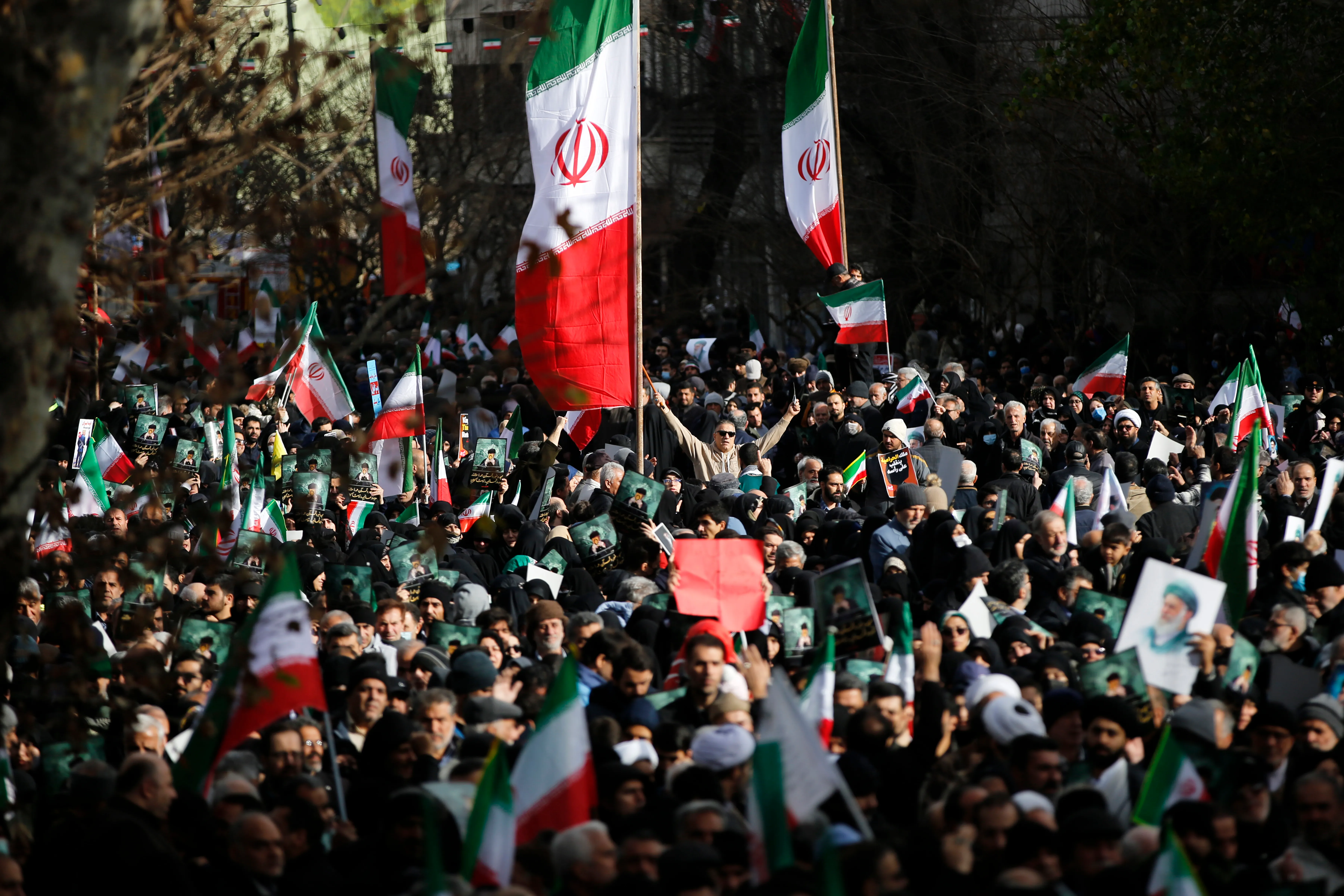
The protests have already claimed at least 36 lives, including four children and members of Iran’s security forces, while more than 2,000 people have been arrested. Demonstrations show no sign of slowing, spreading across 26 of the country’s 31 provinces. Footage from Tehran to provincial cities and university campuses highlights the scale and intensity of the unrest, with clashes in western provinces such as Ilam, Kermanshah, Lorestan, and Hamedan proving the deadliest so far. Authorities have sought to suppress the protests with force, while offering limited measures such as a small monthly food subsidy for households.
The unrest, initially sparked by anger over the collapsing rial and rising inflation, has rapidly evolved into a broader expression of political and social discontent. Analysts note that the protests reveal cross-class dissatisfaction, with economic hardship amplifying existing grievances over corruption, mismanagement, and the prioritisation of ideology over development. Demonstrations have intensified around flashpoints, including funerals for those killed, underscoring the deepening tensions between citizens and security forces.
Iranian officials have framed the protests as foreign-backed, warning against external interference. Supreme Leader Ali Khamenei and senior security officials have authorised harsher crackdowns, while President Trump’s threat of intervention has added further pressure from abroad. Experts suggest that the combination of domestic unrest and international tension has created an increasingly unstable environment, with significant implications for Iran’s political stability and economic recovery.
Al Jazeera (2026) Iran protests.
Available at: https://www.aljazeera.com/wp-content/uploads/2026/01/AA-20260114-40252232-40252225-IRANDAKI_GOSTERILERDE_HAYATINI_KAYBEDEN_100_EMNIYET_GOREVLISI_ICIN_TOREN_DUZENLENDI-1768398529.jpg
Iran is facing its most widespread unrest in three years, as protests over a collapsing economy stretch across more than 200 locations nationwide. Sanctions linked to Iran’s nuclear program, recent conflict with Israel and the United States, corruption, and a crashing currency have pushed living costs out of reach for many. While authorities have responded with repression and limited economic relief, President Donald Trump has warned of possible U.S. intervention, adding an explosive international dimension to an already volatile crisis.
The protests have already claimed at least 36 lives, including four children and members of Iran’s security forces, while more than 2,000 people have been arrested. Demonstrations show no sign of slowing, spreading across 26 of the country’s 31 provinces. Footage from Tehran to provincial cities and university campuses highlights the scale and intensity of the unrest, with clashes in western provinces such as Ilam, Kermanshah, Lorestan, and Hamedan proving the deadliest so far. Authorities have sought to suppress the protests with force, while offering limited measures such as a small monthly food subsidy for households.
The unrest, initially sparked by anger over the collapsing rial and rising inflation, has rapidly evolved into a broader expression of political and social discontent. Analysts note that the protests reveal cross-class dissatisfaction, with economic hardship amplifying existing grievances over corruption, mismanagement, and the prioritisation of ideology over development. Demonstrations have intensified around flashpoints, including funerals for those killed, underscoring the deepening tensions between citizens and security forces.
Iranian officials have framed the protests as foreign-backed, warning against external interference. Supreme Leader Ali Khamenei and senior security officials have authorised harsher crackdowns, while President Trump’s threat of intervention has added further pressure from abroad. Experts suggest that the combination of domestic unrest and international tension has created an increasingly unstable environment, with significant implications for Iran’s political stability and economic recovery.
Al Jazeera (2026) Iran protests.
Available at: https://www.aljazeera.com/wp-content/uploads/2026/01/AA-20260114-40252232-40252225-IRANDAKI_GOSTERILERDE_HAYATINI_KAYBEDEN_100_EMNIYET_GOREVLISI_ICIN_TOREN_DUZENLENDI-1768398529.jpg
Iran is facing its most widespread unrest in three years, as protests over a collapsing economy stretch across more than 200 locations nationwide. Sanctions linked to Iran’s nuclear program, recent conflict with Israel and the United States, corruption, and a crashing currency have pushed living costs out of reach for many. While authorities have responded with repression and limited economic relief, President Donald Trump has warned of possible U.S. intervention, adding an explosive international dimension to an already volatile crisis.
The protests have already claimed at least 36 lives, including four children and members of Iran’s security forces, while more than 2,000 people have been arrested. Demonstrations show no sign of slowing, spreading across 26 of the country’s 31 provinces. Footage from Tehran to provincial cities and university campuses highlights the scale and intensity of the unrest, with clashes in western provinces such as Ilam, Kermanshah, Lorestan, and Hamedan proving the deadliest so far. Authorities have sought to suppress the protests with force, while offering limited measures such as a small monthly food subsidy for households.
The unrest, initially sparked by anger over the collapsing rial and rising inflation, has rapidly evolved into a broader expression of political and social discontent. Analysts note that the protests reveal cross-class dissatisfaction, with economic hardship amplifying existing grievances over corruption, mismanagement, and the prioritisation of ideology over development. Demonstrations have intensified around flashpoints, including funerals for those killed, underscoring the deepening tensions between citizens and security forces.
Iranian officials have framed the protests as foreign-backed, warning against external interference. Supreme Leader Ali Khamenei and senior security officials have authorised harsher crackdowns, while President Trump’s threat of intervention has added further pressure from abroad. Experts suggest that the combination of domestic unrest and international tension has created an increasingly unstable environment, with significant implications for Iran’s political stability and economic recovery.
Al Jazeera (2026) Iran protests.
Available at: https://www.aljazeera.com/wp-content/uploads/2026/01/AA-20260114-40252232-40252225-IRANDAKI_GOSTERILERDE_HAYATINI_KAYBEDEN_100_EMNIYET_GOREVLISI_ICIN_TOREN_DUZENLENDI-1768398529.jpg